
Quick Answer: Company Culture
Remote and in-office culture can both work in 2026, but neither location creates trust, clarity, or belonging on its own. For growing teams, the stronger choice is the model supported by clear expectations, reliable communication rhythms, fair access to information, and consistent people processes.
Introduction
Company culture depends less on where people sit and more on how work gets coordinated, recognized, and discussed. Remote work can widen access to talent and flexibility, while office time can make informal connection easier. The right model for a small or mid-sized business should reflect the work itself, employee needs, and the operating discipline leaders can sustain. When basic decisions and employee information live in private messages or separate spreadsheets, location only makes the problem more visible.
Key Takeaways:
Strong culture comes from consistent practices rather than a mandatory workplace location.
Remote teams need intentional communication, while office teams need equitable access and focused work time.
Hybrid teams succeed when leaders document decisions and make expectations visible to everyone.
Company Culture Depends on Operating Habits
Workplace culture is the repeated experience employees have when they ask for help, receive feedback, make decisions, take leave, or raise concerns. A team can work remotely and feel connected, or share an office and still operate in silos. The question is whether leaders create dependable systems that let people contribute without needing constant proximity to decision-makers.
Signals Employees Use to Judge Culture
Employees do not assess values from a slide deck alone. They notice whether promises hold when workloads increase, priorities change, or someone needs flexibility. Teams that are managing distributed teams need these signals to be visible without relying on hallway conversations.
Decision access: Important choices are documented and easy to find.
Manager follow-through: Commitments receive timely, clear responses.
Fair recognition: Contributions are noticed across locations and schedules.
Psychological safety: People can question plans without social penalties.
Role clarity: Ownership and priorities remain understandable during change.
Remote Culture Requires Deliberate Visibility
Remote teams need to replace accidental information-sharing with written norms, structured check-ins, and accessible records. This does not mean turning every update into a meeting. It means recording decisions, defining response expectations, and ensuring that employees who work different hours receive the same context as those closest to leadership. Employee engagement efforts work better when managers apply them consistently rather than treating them as occasional events.
Remote vs In-Office Culture: The Practical Tradeoffs
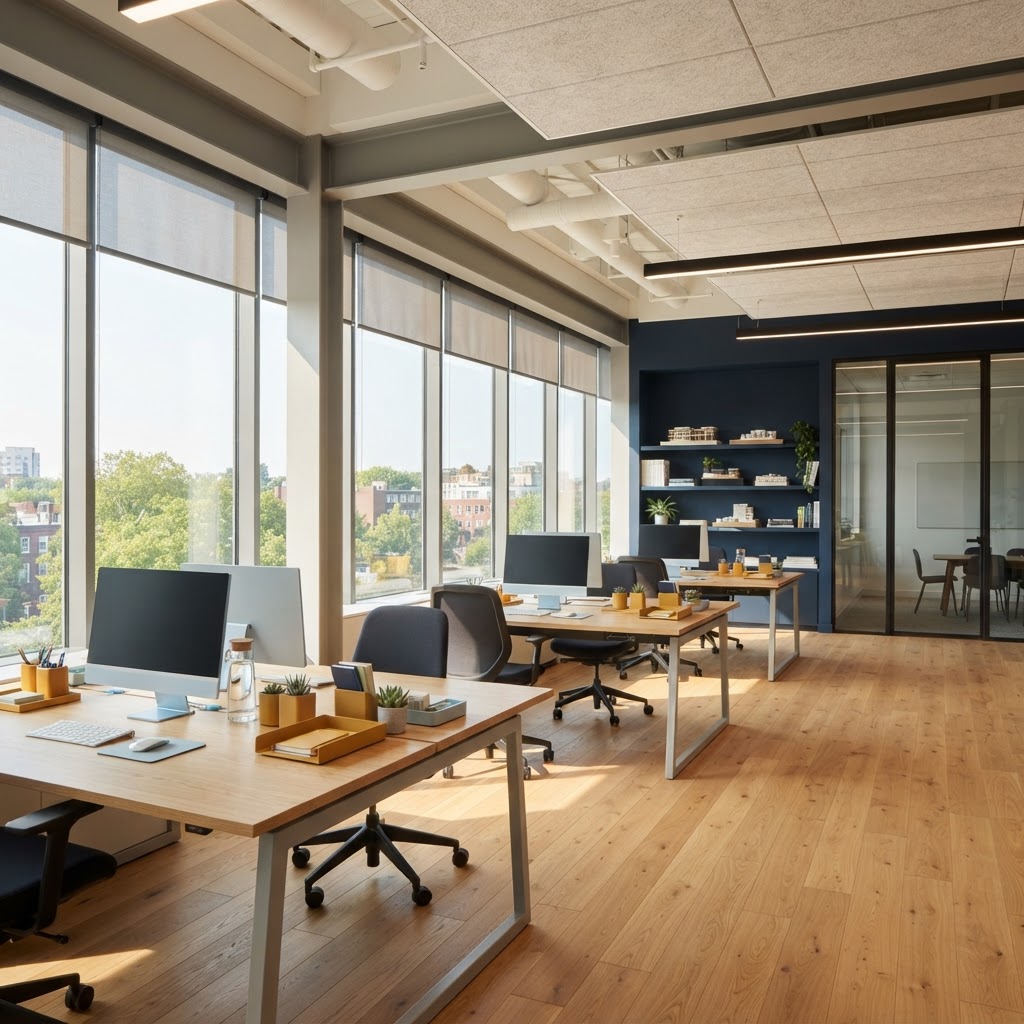
Remote work offers autonomy and can reduce commuting demands, while in-office work makes spontaneous problem-solving and relationship-building more available. Statistics Canada reported that the share of Canadians working most of their hours from home rose from 7% in May 2016 to about 24% in July 2022, then declined slightly to 21% in July 2023. Statistics Canada also found that on-site teleworkers were less likely to commute by private vehicle (76%) than non-teleworkers (82%). The changing pattern shows that work location is not a settled preference, and leaders should design for a mixed reality rather than assume one approach fits every employee.
How Location Changes Daily Team Experience
Location changes the friction employees experience, but it does not determine whether they care about their work. Remote employees may gain more control over their routines, while office-based employees may gain faster access to colleagues and shared equipment. Research on teleworking and well-being also shows that home-based work shapes time outside paid work, including childcare and household responsibilities.
This comparison helps leaders identify the operational safeguards each model needs before adopting a blanket policy.
Culture factor | Remote setup | In-office setup | Leadership safeguard |
|---|---|---|---|
Communication | Needs clear written context | Informal exchanges happen faster | Document decisions for all employees |
Trust | Built through outcomes and follow-through | Can be confused with visibility | Evaluate results, not desk time |
Connection | Requires planned relationship time | Occurs more naturally between tasks | Create inclusive team rituals |
Focus | Can support individual concentration | May bring interruptions and commuting | Protect focused work periods |
Career access | Can be uneven without structure | May favor people near leaders | Use transparent growth criteria |
The central tradeoff is simple: remote work makes culture gaps easier to spot, while office work can hide those gaps behind physical closeness. Leaders should retain the practices that make information and opportunity equally available, whatever schedule they choose.
Hybrid Work Can Create a Two-Tier Culture
Hybrid teams face the greatest risk when office conversations become the real workplace and remote employees receive the summary later. Managing workplace culture in hybrid teams means making the digital workspace the source of truth, then using office time for collaboration that benefits from being together. A founder who announces a priority in a meeting should publish the decision, owner, and next step where every teammate can access it.

Build Systems That Keep Culture Intact as You Scale
Maintaining culture as a small business grows requires repeatable routines before inconsistency becomes expensive. New hires need a clear onboarding path, managers need shared expectations, and employees need a dependable way to access their own information. These basics reduce the number of small frustrations that often get misread as a people problem.
Standardize the Moments That Shape Trust
Start with the people moments that occur repeatedly: joining the company, requesting time away, receiving feedback, changing roles, and leaving the business. A documented process gives managers a shared baseline while leaving room for human judgment. This approach is especially useful when coordination challenges begin to emerge across functions, because it clarifies who owns each handoff.
For teams in Quebec, flexibility also needs to be handled with care rather than as an informal favor. Quebec labour standards protect most employees, including remote workers, and employees may have the right to up to ten days of leave each year for family reasons. Workplace arrangements should also account for the Quebec workplace protections that apply when an employer has a place of business in the province.
Make Flexibility Fair Rather Than Ad Hoc
Fair flexibility means using principles that apply consistently, not forcing every employee into identical circumstances. Human rights obligations can require employers to adjust policies, practices, or physical spaces so employees can participate fully, which makes the duty to accommodate relevant to workplace-location policies. Leaders should define the role requirements that truly need in-person work, assess requests individually, and avoid assuming presence is proof of commitment.
Use People Operations to Support Connection
Culture weakens when routine HR work steals attention from conversations that need care. A system for employee records, leave approvals, assets, and role structures gives leaders more reliable context and reduces the chance that important requests disappear in an inbox. That is where an HRIS for distributed teams can support culture as much as administration.
Choose a Model Based on Work, Not Symbolism
Choose remote-first when independent work, hiring reach, and flexibility are central to the operating model. Choose office-forward when the work relies heavily on shared physical resources, frequent live problem-solving, or a local service environment. Choose hybrid only when leadership can support clear calendar norms, equal access to information, and purposeful in-person time rather than treating attendance as culture.
Turn HR Information Into Shared Clarity
For teams of 10 to 100 employees, KollabHR gives founders, operations leads, and first HR hires a place to organize employee profiles, leave requests, assets, departments, and permissions. Its self-serve member portal also lets employees review their details and request updates without routing every task through one administrator. That structure helps managers spend less time chasing information and more time addressing real team needs.
Conclusion
Remote and in-office culture work when leaders make trust visible through fair expectations, documented decisions, and dependable people processes. Use office time for connection and collaboration, use remote time for focused work and flexibility, and avoid giving either group privileged access to information. Review where requests stall, where decisions disappear, and who is excluded from informal conversations. Efforts to rebuild culture are most effective when they address those operational gaps before they become retention problems.
Ready to create clearer people operations? Explore KollabHR for growing teams and bring employee information into one shared place.
Frequently Asked Questions (FAQs)
How to define company culture in a startup?
Company culture in a startup is the practical pattern of decisions, communication, accountability, and care that employees experience every day, especially when priorities shift and leaders must show whether stated values influence how work is actually managed.
What are the core pillars of a positive workplace culture?
The core pillars of a positive workplace culture are trust, clarity, inclusion, recognition, growth, and accountability, because employees need both respectful relationships and predictable ways to understand expectations, raise issues, and see how their work matters.
Why is company culture important for small teams?
Company culture is important for small teams because each manager habit and team interaction has an outsized effect on employee confidence, collaboration, and retention when there are fewer layers, fewer formal processes, and less distance between leadership decisions and daily work.
How to maintain culture during rapid growth?
Maintaining culture during rapid growth requires documenting core practices early, training managers to apply them consistently, and reviewing employee feedback for gaps between intent and experience, so new hires receive the same clarity and respect as the original team.
How to build a human-first workplace environment?
A human-first workplace environment is built by treating employees as people with different needs and responsibilities, then pairing flexibility with clear boundaries, accessible information, respectful feedback, and processes that reduce unnecessary administrative friction instead of adding more monitoring.
What works better: remote or in-office culture in 2026?
Remote or in-office culture works better in 2026 when it matches the team’s work requirements and is supported by equitable communication, outcome-based management, and consistent access to leaders, since physical location alone cannot create belonging or accountability.
About the Author
Michael Reynolds is a content writer focused on clear HR solutions for scaling businesses. His work draws on experience supporting startups and growing teams as they build practical HR systems, streamline employee management, and strengthen workplace culture.